Meet Brian Smerdon
Donna McKinnon - 4 September 2026
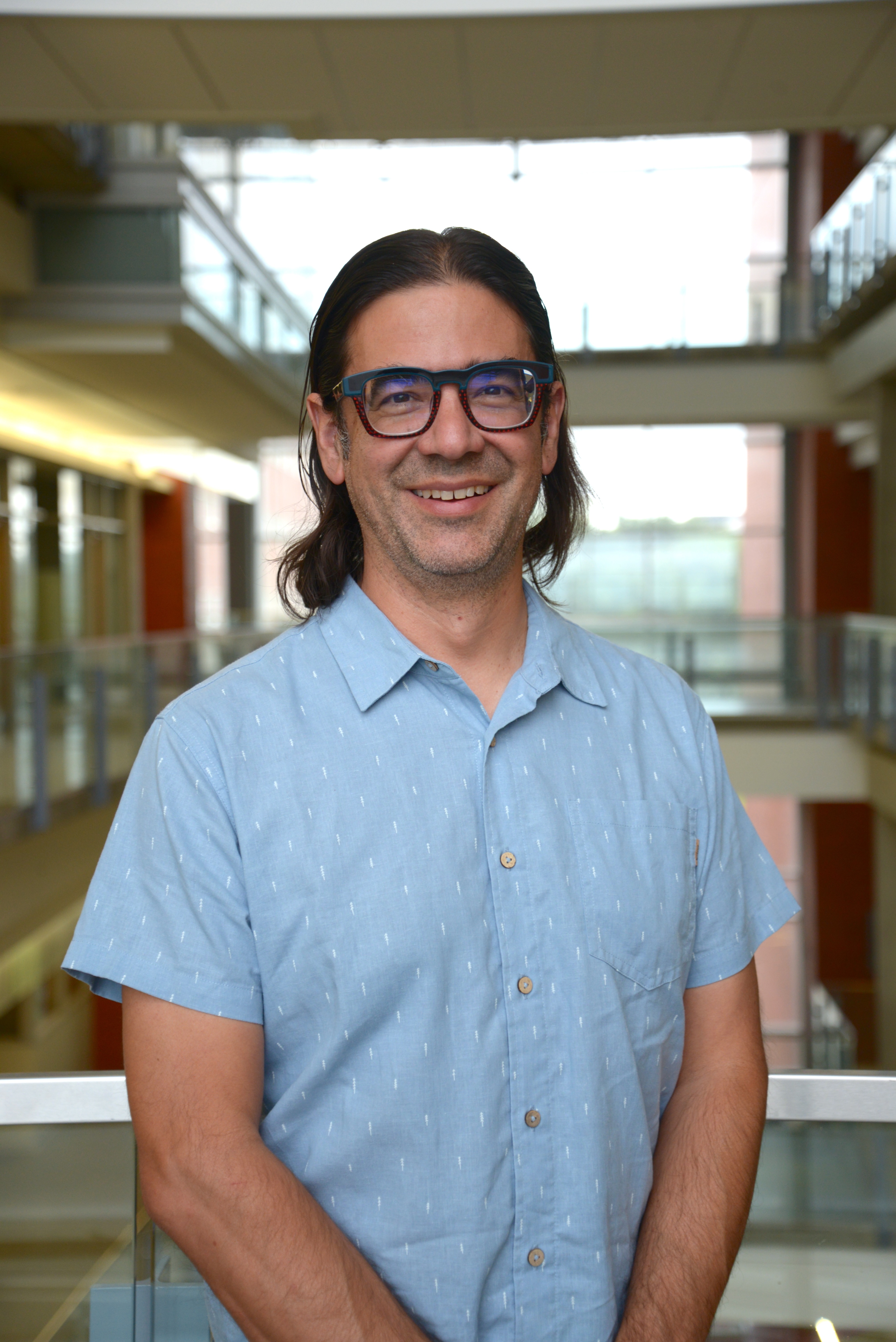
Brian Smerdon
The Department of Earth and Atmospheric Sciences, with its rich history in hydrogeology and a reputation as one of North America’s top geoscience hubs, offers the ideal backdrop for new assistant professor Dr. Brian Smerdon’s research on groundwater systems.
From mapping Canadian prairie watershed shifts to strengthening urban climate resilience, Brian uses field data and numerical models to study groundwater dynamics — exploring how water sustains local ecosystems to inform data-driven, climate-resilient watershed planning.
His passion for helping others discover and share the story of groundwater, which he calls “Earth’s most abundant yet hidden source of freshwater”, traces back to a high school geography class — and it remains one of the most enjoyable parts of his work.
After receiving his PhD from the U of A 2006, Brian spent the next 20 years working in hydrogeology, including roles in academia, government and industry. Before stepping into this new position in July, he worked as a research assistant at the U of A — a role he has held since 2021. Prior to that, he was a senior hydrogeologist with the Alberta Geological Survey developing projects to advance groundwater science and application to Alberta-based water challenges.
Welcome Brian!
What brought you to the University of Alberta?
The Department of Earth and Atmospheric Sciences is consistently one of the top geoscience departments in North America, with a well-deserved reputation for having terrific undergraduate and graduate students. Moreover, the university has an extraordinary history in hydrogeology, my field of study, which investigates the movement of groundwater. With Earth’s climate system changing rapidly, the geographic location and breadth of potential collaborators across the College of Natural and Applied Sciences is ideal to help solve problems that humanity is faced with.
Tell us a bit about your research and what you’ll be studying.
My research centres on conceptualizing and quantifying groundwater circulation, often combining field-based investigations with flow simulation models. I have a project starting that is bringing hydrogeology into large-scale assessments of environmental change, where we’re looking at changes in groundwater and soil moisture across the watersheds in the Canadian Prairies that are being driven by climate change. I’m also developing a research program focused on urban groundwater, which provides the necessary baseflow to streams and wetlands that support dependent ecosystems, and will play a role in helping cities adapt to climate change.
What inspired you to enter this field?
In a high school geography class, I first heard about groundwater, the water table and aquifers. The idea of water moving through the subsurface captured my imagination! I continued to learn more about this mysterious part of geoscience, and continue to be inspired by engaging colleagues and students who openly share ideas and skills with me.
Tell us about your teaching. What courses will you be teaching, or what is your philosophy when it comes to teaching?
I try to connect new concepts with previous learning through a blend of lecture and demonstration styles, drawing on my experiences in academia, government and industry to promote learning and provide a broad perspective of geoscience. I’ll initially be teaching a course that introduces groundwater concepts EAS 323 - Introduction to Hydrogeology and another that is focused on mass transport in the subsurface EAS 425/583 - Contaminant Hydrogeology.
What are some of your favourite things to do outside of work?
I enjoy being outdoors, travelling and cooking. These interests come together nicely on camping and canoeing trips, and discovering local foods (and beverages) while exploring new places. I also enjoy live music and always look forward to the Edmonton Folk Music Festival!