Curiosity drives new associate professor Malgorzata (Losia) Lagisz to investigate and improve research culture
14 April 2026
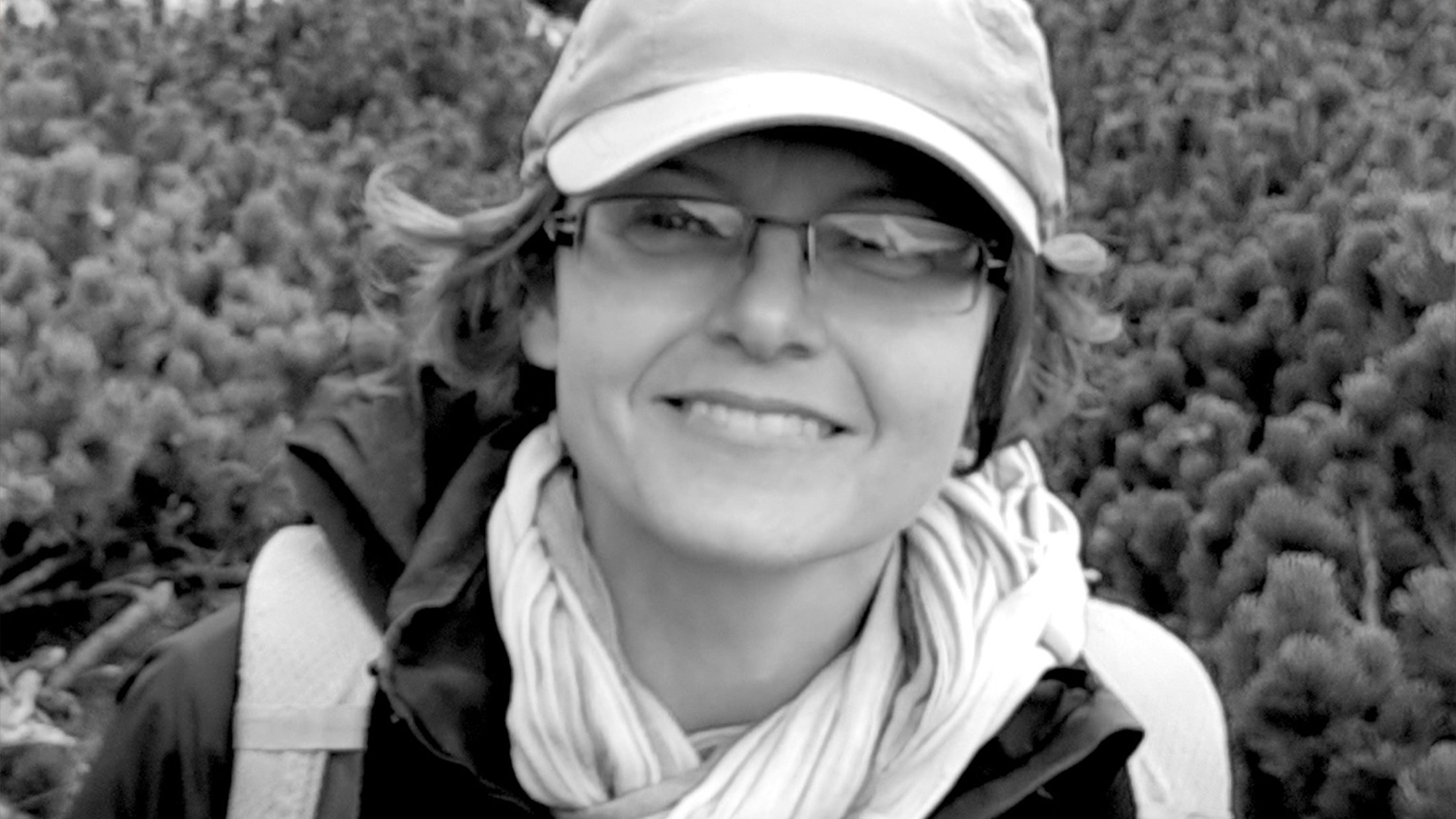
Associate professor Losia Lagisz, Department of Biological Sciences
There wasn’t a single reason why new associate professor Losia Lagisz chose to come to the U of A – it was a combination of people, experiences and circumstances that led her to become one of the Department of Biological Sciences’ newest hires. She brings with her a unique blend of expertise not only in the study of biological systems, but of the research processes that allow for that kind of specialized study in the first place. This ability to dig deep into research questions and processes will be felt by the students who learn from her, especially with her desire to emphasize hands-on learning.
Keep reading to get to know Losia Lagisz better.
What brought you to the University of Alberta?
I was drawn to the University of Alberta by both people and possibility. The opportunity to join a vibrant, collaborative research environment was a major factor. The U of A offers a unique combination of strong ecological and evolutionary biology, openness to interdisciplinary work and a growing interest in evidence synthesis, meta-research and open science. The establishment of Collaboration for Open Science and Synthesis in Ecology and Evolution (COSSEE) by professor Shinichi Nakagawa in 2024 was a major factor for bringing me in too.
At the same time, this move was also personal. After many years of moving across countries and institutions, I was looking for a place where I could build something more long-term. The U of A felt like a place where I could do that – where my work on evidence synthesis, meta-research and research culture could both contribute to and benefit from the broader academic environment.
Tell us a bit about your research program. What will you be studying?
My research program sits at the intersection of ecology, evolution and meta-research. Broadly, I study both biological systems and the systems through which we generate scientific knowledge.
On one side, I develop and apply research synthesis methods, such as systematic reviews, evidence maps and meta-analyses, to answer ecological and evolutionary questions (and often questions from outside these fields via my extensive network of collaborations). My contributions to evidence synthesis also includes addressing methodological challenges like conducting comprehensive and sensitive searches for evidence, detecting and accounting for data non-independence and heterogeneity within collated bodies of evidence and various types of biases.
On the other side, I focus on meta-research: studying how science (and research) itself is structured and conducted. I investigate issues such as transparency, reproducibility, equity and recognition in the scientific system. This includes work on reporting guidelines, authorship practices, research incentives and diversity in research communities such as learned societies.
At the U of A, I am leading a research group that integrates these two interests. We use rigorous, data-driven approaches to improve both the evidence researchers produce and the way they produce it. My lab is called I-DEEL – Inter-Disciplinary Ecology and Evolution Lab. It is a small group, which works closely with the larger and diverse community from COSSEE, because we share key aims and approaches (as well as a history of collaboration).
What inspired you to enter this field?
I originally entered science driven by curiosity about how biological systems work and how they are affected by human-driven changes in the environment. But over time, I became equally fascinated by the research system itself.
As my career progressed, I experienced both the strengths and the shortcomings of the research system. I saw how collaboration, openness and mentorship can enable great science, but also how biases, inefficiencies and lack of transparency can limit it. Those experiences gradually shifted my focus.
What inspires me now is the idea that we can improve science from within. By using evidence synthesis and meta-research, we can identify what works, what doesn’t and how to build a more robust, transparent and inclusive scientific enterprise. It’s a field where methodological innovation meets real-world impact – not just on knowledge, but on the people who create it.
Tell us about your teaching. What courses will you be teaching, or what is your philosophy when it comes to teaching?
My teaching philosophy is rooted in active, inclusive and research-led learning. I aim to create an environment where students are not just recipients of knowledge, but participants in the scientific process.
I have experience teaching courses in ecology and data science, and I am particularly interested in courses related to data analysis, evidence synthesis and reproducible research. At the University of Alberta, I am looking forward to contributing to undergraduate and graduate teaching, including courses related to ecology and research-focused project courses.
In my teaching, I emphasize hands-on learning – tackling current problems, using real datasets, training in collaborative problem-solving and open science practices. I also value transparency in teaching: making expectations clear, encouraging questions and supporting diverse learning styles.
More broadly, I see teaching as mentorship. My goal is to help students develop not only technical skills, but also confidence, critical thinking and a sense of belonging in science.
Is there anything else you'd like to share?
Beyond my research and teaching, I am deeply committed to improving research culture. I am actively involved in international collaborations, including initiatives within SORTEE (Society for Open, Reliable, and Transparent Ecology and Evolutionary Biology), which is starting a Canada Chapter in 2026 (check out the SORTEE website: Join Chapters, or get in touch with me if interested – we welcome non-biologists too!), AIMOS (Association for Interdisciplinary Meta-research and Open Science), TOP (Transparency and Openness Promotion), OLS (Open Life Sciences) and EBTC (Evidence-Based Toxicology Collaboration), that promote open, robust and inclusive science.
I see academia not just as a place to generate knowledge, but as a community that shapes people’s careers and lives. Through my work, I aim to contribute to a research environment that is rigorous, transparent and supportive – one where diverse perspectives are valued and where collaboration is the norm rather than the exception.
At the U of A, I am excited to build connections across disciplines, mentor the next generation of researchers and contribute to a research culture that is both scientifically excellent and socially responsible. To learn more about me and my research, you can check out my lab website and Google Scholar page.